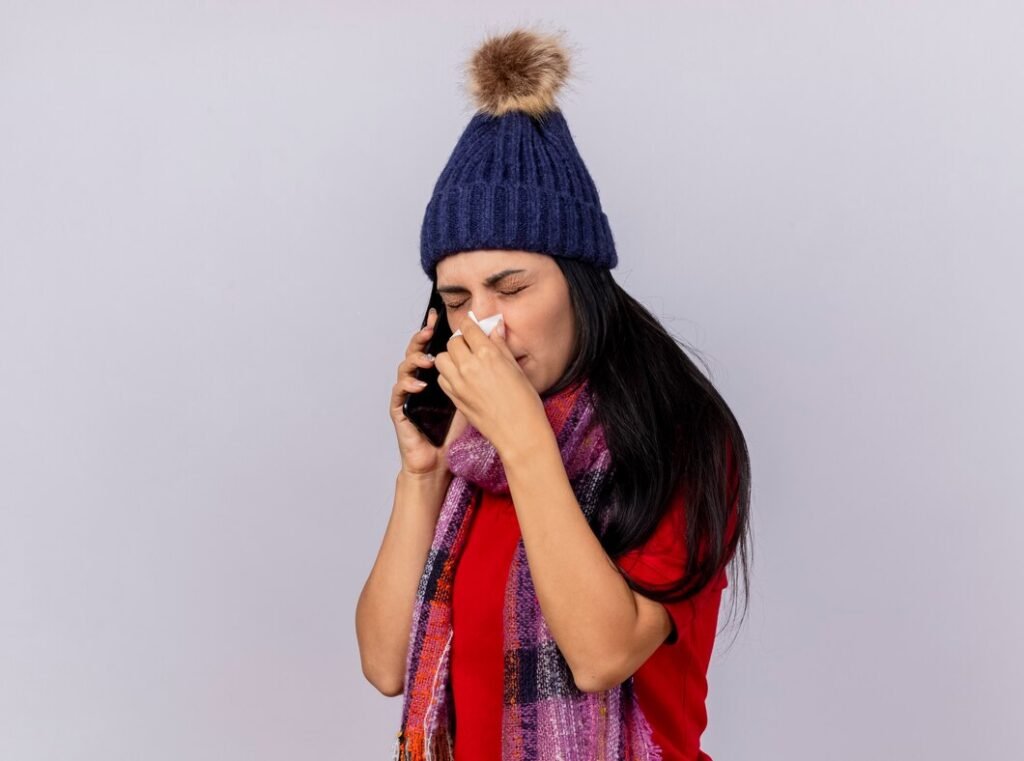
Winter can be a beautiful season, but it also brings sneezing, itchy eyes, and congestion for many people. If you often wonder why you feel unwell during the colder months, it might be due to Winter Allergies. Understanding these allergies helps you manage symptoms effectively and enjoy the season without discomfort.
What Are Winter Allergies?
Winter Allergies are immune system reactions triggered by environmental allergens during colder months. Unlike spring or summer allergies, winter allergies often come from indoor sources.
Common Causes
- Dust mites in bedding and carpets
- Mold in humid corners of your home
- Pet dander trapped indoors
- Cold, dry air irritating nasal passages
These allergens activate your immune system, causing sneezing, congestion, and itchy eyes. Recognizing the difference between a common cold and Winter Allergies is important for proper treatment.
1. Common Symptoms of Winter Allergies
Knowing the symptoms helps you identify Winter Allergies early.
Key Symptoms
- Sneezing and runny nose
- Nasal congestion or blockage
- Itchy or watery eyes
- Coughing and post-nasal drip
- Fatigue due to disrupted sleep
- Skin irritation or dryness
Actionable Tips
- Keep a symptom diary to track triggers
- Avoid prolonged exposure to indoor allergens
- Consult a general medicine doctor near me for proper diagnosis
2. Why Winter Allergies Happen
Several factors make winter a season for increased allergy symptoms.
Environmental Triggers
- Indoor heating reduces humidity, drying nasal passages
- Dust mites and mold accumulate indoors during winter
- Pet dander concentrates as pets spend more time inside
Lifestyle Factors
- Less outdoor ventilation increases allergen concentration
- Wearing heavy clothing can trap allergens close to your skin
These factors explain why some people suffer more from Winter Allergies than others.
3. How Winter Allergies Affect Daily Life
Ignoring Winter Allergies can disrupt your routine and reduce productivity.
Common Impacts
- Difficulty concentrating at work or school
- Poor sleep due to nasal congestion
- Increased risk of sinus infections or bronchitis
- Frequent use of over-the-counter medications without consultation
Solution
Regular checkups with a best doctor for general checkup near me or an mbbs general physician near me help manage symptoms effectively and prevent complications.
4. Preventing Winter Allergies at Home
Simple lifestyle changes can reduce your exposure to allergens indoors.
Actionable Steps
- Clean Regularly: Vacuum carpets, curtains, and upholstery weekly
- Control Dust: Use allergen-proof covers on mattresses and pillows
- Reduce Mold: Keep indoor humidity below 50% using dehumidifiers
- Pet Care: Bathe and groom pets regularly to reduce dander
- Ventilation: Open windows briefly on warm days to circulate fresh air
Implementing these strategies can significantly reduce the frequency and severity of Winter Allergies.
5. Personal Care Tips to Manage Winter Allergies
Taking care of your body can minimize allergy symptoms.
Tips
- Hydrate Well: Drink plenty of water to keep nasal passages moist
- Use Saline Sprays: Helps flush out allergens from the nose
- Wear a Mask: Especially when cleaning dusty areas or handling pets
- Moisturize Skin: Prevents dryness and irritation from indoor heating
Even small adjustments in your daily routine can make winter more comfortable.
6. When to Consult a Doctor
While home remedies help, persistent Winter Allergies require medical attention.
Indicators You Should See a Doctor
- Symptoms lasting more than two weeks
- Severe congestion or sinus pain
- Allergies affecting sleep or daily activities
- Frequent use of over-the-counter antihistamines without relief
Consulting a general physician in Indore or best physician in Indore, like Dr. Archana Rathi, ensures proper diagnosis and treatment.
7. Medical Treatments for Winter Allergies
Doctors may recommend treatments based on the severity and cause of your allergies.
Common Options
- Antihistamines: Reduce sneezing and itching
- Decongestants: Relieve nasal congestion temporarily
- Nasal Corticosteroids: Reduce inflammation in chronic cases
- Allergy Shots or Immunotherapy: For severe or persistent allergies
Professional guidance prevents overuse of medications and ensures effective management of Winter Allergies.
8. Lifestyle Adjustments to Reduce Winter Allergies
Beyond medical care, lifestyle choices can improve your tolerance to allergens.
Suggestions
- Regular Exercise: Improves immunity and lung function
- Balanced Diet: Include anti-inflammatory foods like fruits, vegetables, and omega-3
- Stress Management: Stress can worsen allergy symptoms
- Humidifiers: Maintain optimal indoor humidity to protect nasal passages
Combined with medical treatment, these adjustments make winter more comfortable and reduce allergy flare-ups.
Frequently Asked Questions (FAQ)
1. Are winter allergies different from seasonal allergies?
Yes, winter allergies are often triggered by indoor allergens like dust, mold, and pet dander, unlike spring or summer allergies caused by pollen.
2. Can winter allergies lead to infections?
If untreated, persistent allergies can cause sinus infections or worsen asthma symptoms.
3. How can I prevent winter allergies naturally?
Keep your home clean, maintain humidity levels, bathe pets regularly, and ventilate rooms when possible.
4. When should I see a doctor for winter allergies?
If symptoms last more than two weeks, interfere with sleep or daily life, or worsen despite home remedies, consult a general medicine doctor near me.
5. Who is the best doctor for winter allergies in Indore?
Dr. Archana Rathi, a trusted mbbs general physician near me and best doctor for general checkup , provides personalized care and treatment for allergy management.
Conclusion
Winter Allergies are common but manageable with awareness and proper care. Recognizing symptoms early, maintaining a clean and well-ventilated home, and consulting a general physician in Indore like Dr. Archana Rathi can help you enjoy winter without discomfort.
Taking preventive measures, following medical advice, and adjusting lifestyle habits are key to reducing allergy flare-ups. Don’t ignore persistent sneezing, congestion, or itchy eyes this winter address Winter Allergies early to protect your health and wellbeing.