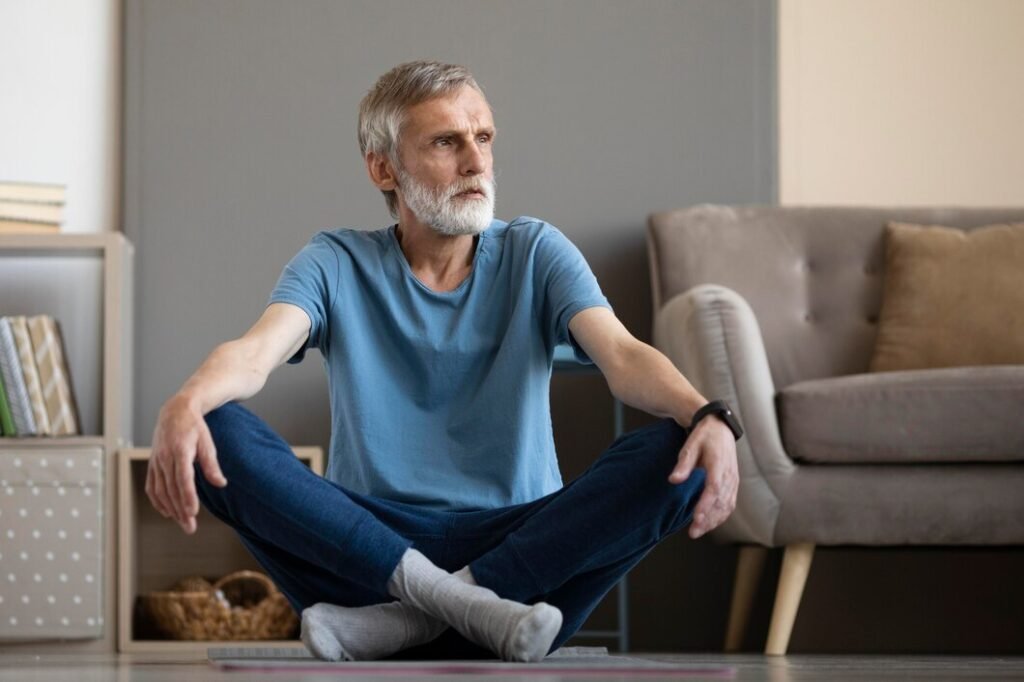
Winter brings a chill that many seniors find uncomfortable, especially when it comes to joint health. If you or a loved one notice increased stiffness, swelling, or discomfort in knees, hips, or hands during colder months, you may be wondering Why Seniors Feel More Joint Pain in Winter. Understanding the reasons behind this seasonal flare-up can help you take proactive steps to manage pain and maintain mobility.
Understanding Why Seniors Feel More Joint Pain in Winter
Joint pain in seniors is often caused by arthritis, past injuries, or wear and tear over the years. Cold weather can aggravate these conditions due to reduced circulation, stiff muscles, and changes in barometric pressure.
When you understand Why Seniors Feel More Joint Pain in Winter, you can implement preventive measures such as exercise, diet adjustments, and proper medical care to minimize discomfort and maintain a better quality of life.
1. Cold Weather and Joint Stiffness
One of the main reasons seniors experience more pain in winter is the effect of cold temperatures on joints.
How Cold Affects Joints
- Muscles and ligaments tighten in the cold
- Synovial fluid in joints thickens, reducing lubrication
- Stiffness increases, making movement more painful
Tips to Reduce Stiffness
- Dress warmly, using layers to keep joints insulated
- Warm-up exercises before activity
- Use heating pads or warm baths to relax stiff joints
A general medicine doctor near me can recommend safe exercises and therapies tailored for seniors to reduce winter stiffness.
2. Changes in Barometric Pressure
Many seniors notice more pain during days with fluctuating weather, especially when storms or low-pressure systems approach.
How Barometric Pressure Affects Joints
- Changes in pressure can cause joint tissues to expand or contract
- Swollen or arthritic joints are more sensitive to these changes
- Pain signals from nerves increase in response to pressure changes
Actionable Tips
- Track weather patterns to anticipate flare-ups
- Avoid strenuous activity during sudden temperature drops
- Consult a joint pain doctor specialist for personalized management strategies
Understanding this connection explains part of Why Seniors Feel More Joint Pain in Winter and helps in planning daily activities.
3. Reduced Physical Activity During Winter
Colder months often mean less outdoor activity, which can worsen joint pain. Lack of movement leads to muscle weakening, reduced flexibility, and more stiffness.
Tips to Stay Active Indoors
- Gentle yoga or stretching routines
- Light resistance exercises with bands
- Indoor walking or stationary cycling
- Physical therapy sessions recommended by a best doctor for general checkup near me
Maintaining movement is essential to manage and prevent joint pain, especially in seniors with pre-existing arthritis.
4. Arthritis and Age-Related Joint Issues
Seniors are more likely to have osteoarthritis or rheumatoid arthritis. Cold weather can intensify inflammation in affected joints.
Signs of Arthritis Flare-Ups
- Swelling in knees, fingers, or hips
- Stiffness lasting more than 30 minutes after waking
- Pain that worsens with cold or damp conditions
Management Tips
- Regular checkups with a general physician in Indore
- Anti-inflammatory diet rich in omega-3 and antioxidants
- Medications prescribed by a joint pain doctor specialist
Recognizing these patterns explains Why Seniors Feel More Joint Pain in Winter and supports early intervention.
5. Circulation Problems in Seniors
Poor blood flow is common in older adults and worsens in cold weather. Reduced circulation can make joints feel colder, stiffer, and more painful.
Tips to Improve Circulation
- Gentle daily walks
- Warm compresses or heated blankets
- Massage therapy recommended by a nerves doctor near me
Improved circulation not only eases joint discomfort but also supports overall mobility and energy.
6. Weight Management and Joint Stress
Extra weight puts more strain on joints, especially the knees and hips. Winter inactivity can contribute to weight gain, increasing joint pain.
Tips for Weight Control
- Maintain a balanced diet rich in fruits, vegetables, and lean protein
- Light indoor exercises to burn calories
- Monitor portion sizes and avoid comfort foods high in sugar
A best physician in Indore can guide seniors on diet and exercise plans that reduce joint stress.
7. Pain Management Strategies for Winter
Managing joint pain effectively requires a combination of lifestyle adjustments, exercises, and medical care.
Home-Based Strategies
- Heat therapy: warm baths or heating pads
- Gentle stretching to maintain flexibility
- Anti-inflammatory foods like salmon, walnuts, and leafy greens
Medical Interventions
- Prescription medications for arthritis or inflammation
- Physiotherapy sessions with exercises tailored for seniors
- Consult a joint pain doctor specialist for long-term pain management
These approaches can greatly reduce discomfort and improve quality of life during winter.
8. When to See a Doctor
It’s essential to consult a doctor if joint pain is severe, persistent, or affects daily life.
Red Flags Requiring Medical Attention
- Sudden increase in joint swelling or redness
- Pain accompanied by fever
- Difficulty walking or performing daily tasks
- Numbness, tingling, or nerve-related pain
Visiting a general medicine doctor near me or best doctor for general checkup near me ensures proper evaluation and timely intervention.
9. Lifestyle Adjustments to Reduce Winter Joint Pain
Beyond medical care, seniors can adopt lifestyle habits to minimize winter joint pain.
Practical Tips
- Layer clothing to maintain warmth
- Use supportive shoes and cushions indoors
- Stay hydrated to maintain joint lubrication
- Follow a consistent exercise routine, indoors if necessary
Combined with medical guidance from a general physician in Indore or joint pain doctor, these adjustments make winter more comfortable.
Frequently Asked Questions (FAQ)
1. Why do joints hurt more in cold weather?
Cold temperatures reduce blood flow and stiffen muscles, making joints more sensitive to pain.
2. Can seniors prevent winter joint pain?
Yes, with proper warmth, regular exercise, balanced diet, and timely medical care, seniors can reduce pain.
3. Are there specific exercises for seniors to reduce joint pain?
Gentle yoga, stretching, resistance band exercises, and light walking are recommended by nerves doctor near me and physiotherapists.
4. When should I consult a doctor for joint pain?
If pain is severe, persistent, or affects daily activities, visit a best physician in Indore or a joint pain doctor specialist.
5. Who is the best doctor for winter joint pain in Indore?
Dr. Archana Rathi is a trusted general physician in Indore and joint pain doctor specialist, offering personalized care for seniors.
Conclusion
Why Seniors Feel More Joint Pain in Winter is influenced by cold weather, reduced activity, circulation issues, arthritis, and lifestyle factors. While home remedies and preventive measures help, timely consultation with a general medicine doctor near me or best doctor for general checkup near me ensures safe and effective management.
Following the right exercises, maintaining warmth, eating a balanced diet, and seeking expert care from Dr. Archana Rathi, one of the best physicians in Indore, can make winters more comfortable and improve mobility and overall quality of life for seniors.